
No products in the cart.


Mouse over to zoom in
Click to open expanded view
- Home
- Shop
- Computer Accessories
- Cables & Connectors
- Top-Lag Cable
Top-Lag Cable
KSh 150.00 Original price was: KSh 150.00.KSh 100.00Current price is: KSh 100.00.
In stock
- Materials: Copper/aluminum conductors, insulation (PVC/PE), optional shielding (EMI protection).
- Uses: Telecom, power transmission, and high-speed data.
- Benefits: Durable, low signal loss, EMI resistant, fire-resistant options.
- Advantages: Reliable, versatile, flexible for tough environments.
Categories: Cables & Connectors, Computer Accessories
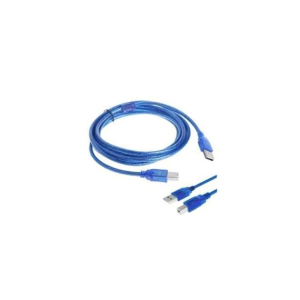
Top-Lag Cable
A Top-Lag Cable is a specialized type of cable used primarily in the context of electrical systems and communications networks. The term “Top-Lag” can refer to specific design characteristics or uses in various industries, but it is most commonly associated with high-performance cables used in telecommunications, data transmission, and sometimes in electrical power systems. Below is a detailed description of what a Top-Lag Cable typically refers to:
1. Cable Construction and Design
Top-Lag cables are often designed to withstand harsh conditions while providing efficient transmission of electrical signals or power. These cables are typically constructed with several key elements:
- Conductors: At the core of the cable are the conductors, which can be made from copper, aluminum, or other materials with excellent electrical conductivity. Copper is the most common material for signal transmission due to its low resistance and high conductivity.
- Insulation: The conductors are surrounded by an insulating layer to prevent short circuits and ensure safe signal transmission. Insulation materials could include PVC, PE (Polyethylene), Teflon, or other high-dielectric materials.
- Shielding: In some designs, Top-Lag cables include shielding to protect against electromagnetic interference (EMI) or to maintain signal integrity. This could involve braided copper, aluminum foil, or other conductive materials that block external signals from affecting the cable’s performance.
- Jacket: The outer layer is a durable jacket that protects the internal components from physical damage, UV radiation, and environmental factors. Common materials for jackets include PVC, PE, or other weather-resistant materials.
- Armor (Optional): In some cases, Top-Lag cables might also have an additional layer of armoring made of steel wires or other robust materials, which provide additional mechanical protection, particularly in industrial or outdoor environments.
2. Applications of Top-Lag Cable
- Telecommunications: Top-Lag cables are used in a variety of telecom applications, including fiber optic cables, coaxial cables, and other forms of communication systems. They are commonly used in data centers, long-distance communication systems, and local area networks (LANs).
- Power Transmission: In power systems, Top-Lag cables might be used in the transmission of electrical power to homes, industrial facilities, and other infrastructure. They are often designed to handle high-voltage systems and to endure difficult environmental conditions.
- Signal Transmission: These cables are also used for signal transmission in high-frequency and high-speed applications, where maintaining signal integrity is crucial. This is particularly important in industries like broadcasting, high-speed internet, and satellite communications.
3. Types of Top-Lag Cables
Top-Lag cables are available in several variants, depending on the application:
- Single-conductor cables: These are simple cables where a single wire is surrounded by insulation and an outer protective layer.
- Multi-conductor cables: These are cables that consist of multiple insulated wires bundled together. Multi-conductor cables are common in complex electrical and communication networks.
- Coaxial cables: Often used in telecommunications, these cables have a central conductor, an insulating layer, a metallic shield (for EMI protection), and an outer insulating jacket.
- Fiber Optic Cables: Some Top-Lag cables are designed specifically for the transmission of data through light signals, often utilizing glass or plastic fibers instead of traditional metal conductors.
4. Performance Characteristics
- High-Speed Data Transfer: In telecommunication and data transmission systems, Top-Lag cables are engineered for high-speed data transfer with minimal signal loss, making them ideal for use in modern networking environments.
- Durability and Longevity: Designed to endure extreme temperatures, moisture, UV exposure, and physical wear, Top-Lag cables are built to last for extended periods, often used in outdoor and industrial settings.
- EMI Shielding: With the rise of electronic devices emitting electromagnetic signals, EMI shielding becomes important. Top-Lag cables often incorporate specialized shields to block external interference and prevent signal degradation.
- Fire Resistance: In industrial or high-risk environments, fire-resistant materials are sometimes incorporated into the cable design to prevent fires in case of short circuits or electrical faults.
5. Advantages of Top-Lag Cables
- High Reliability: Top-Lag cables are typically designed to operate reliably over long periods, even in challenging environments. They are often used in critical applications where failure is not an option, such as in telecom infrastructure and power grids.
- Reduced Signal Loss: Due to their superior insulation and shielding, Top-Lag cables minimize signal loss and interference, making them ideal for high-frequency and high-speed applications.
- Flexibility and Versatility: Many Top-Lag cables are designed to be flexible, making them easier to install in a variety of locations, including tight spaces and complex layouts.
- Versatile Application Range: From low-voltage wiring to high-power transmission and data transfer, Top-Lag cables can be adapted to suit a wide range of industrial and commercial applications.
6. Installation and Maintenance
- Installation: Installation of Top-Lag cables is relatively straightforward but requires attention to detail to ensure proper grounding, shielding, and insulation. This is especially important in industrial or outdoor environments where interference and environmental factors can play a role in cable performance.
- Maintenance: Regular inspections of the cable’s insulation, shielding, and jacket are necessary to ensure longevity. Cables exposed to harsh conditions might need more frequent maintenance, especially when dealing with abrasion, wear, or environmental degradation.
A Top-Lag Cable is a versatile and durable type of cable used in applications ranging from telecommunications to power systems. With a construction designed to withstand electrical interference, environmental challenges, and demanding performance criteria, these cables are critical in ensuring the efficient operation of modern electrical and communication networks.
Add your review Cancel reply



Reviews
There are no reviews yet.